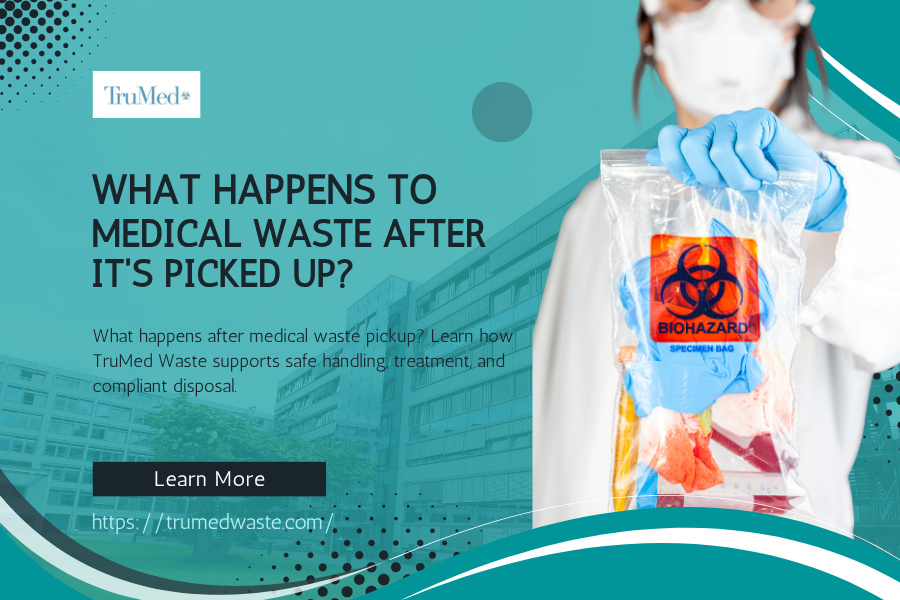
If you’ve ever wondered what happens to biohazard waste after it leaves a hospital room, here’s the quick answer: it’s segregated, securely transported, treated (through sterilization, incineration, or chemical processes), and then either safely recycled, sent to an energy recovery facility, or placed in a regulated landfill.
This process, known as bio waste medical waste management, is carefully regulated to protect healthcare workers, patients, the public, and the environment. From sharps and contaminated gloves to expired medications, every piece of hazardous waste follows a documented “cradle-to-grave” process to ensure safety and compliance.
Now, let’s break down the journey of hospital biohazard waste step by step—so you know exactly what happens to it, why it matters, and how professionals like Trumed Waste make the process seamless and compliant.
1. How Much Biohazard Waste Hospitals Generate
The scale of hospital-generated waste in the United States is staggering:
-
29–34 pounds of waste are generated per hospital bed every day.
-
That equals 5–6 million tons of healthcare waste annually nationwide.
-
Roughly 15% of this is hazardous waste, including sharps, infectious materials, and hazardous pharmaceuticals.
But here’s a surprising fact: studies show that up to 90% of what goes into biohazard containers doesn’t need to be there. This over-classification inflates disposal costs by millions of dollars and increases the environmental footprint of the healthcare industry unnecessarily.

For example, a hospital that correctly segregates its waste could reduce regulated waste by up to 50%, saving significant costs while reducing harm to the planet.
2. Segregation: The First and Most Critical Step
Proper segregation is where effective bio-waste medical waste management begins. Hospitals have clear protocols for placing waste in the right container the moment it’s generated.
Here’s how it typically works:
-
General Waste: Paper, packaging, and food waste are sent to regular trash or recycling bins.
-
Infectious Waste: Anything contaminated with blood or bodily fluids goes into red biohazard bags.
-
Sharps: Needles, scalpels, and lancets are placed in puncture-proof sharps containers.
-
Hazardous Drug Waste: Expired or unused chemotherapy drugs, cytotoxic agents, or other dangerous substances are collected in clearly labeled containers for hazardous drug disposal.
-
HIPAA Waste: Materials containing patient information, like labels or disks, are handled separately to meet HIPAA waste disposal requirements.
Training staff to identify and sort waste correctly is crucial. Hospitals that emphasize education and monitoring often report better compliance and significant cost savings.
3. From Hospital to Treatment Facility
Once the waste is sorted, it begins its journey to treatment. Depending on the facility’s setup, this may involve on-site processing or transportation to an off-site facility.
On-Site Treatment
Some larger hospitals invest in equipment to neutralize waste on the premises:
-
Autoclaving (Steam Sterilization): Uses high-pressure steam to sterilize infectious waste.
-
Chemical Disinfection: Uses chemical agents to destroy pathogens in specific waste streams.
-
Microwave Treatment: Combines heat and moisture to disinfect solid waste.
On-site treatment reduces waste volume for transport and allows facilities to maintain tighter control over compliance.
Off-Site Processing
Smaller hospitals and clinics often rely on professional providers like Trumed Waste for off-site processing. This involves:
-
Collecting and securely packaging waste.
-
Transporting it in compliance with Department of Transportation (DOT) regulations.
-
Processing it through incineration, sterilization, or chemical treatment at licensed facilities.
Healthcare staff and waste management teams safely track the waste from the hospital to its final disposal.
4. The Final Destination of Biohazard Waste
After treatment, biohazard waste follows one of these paths:
-
Regulated Landfills: Hospitals dispose of sterilized, non-hazardous waste in secure landfills.
-
Incineration Facilities: High temperatures completely destroy pathological waste, sharps, and hazardous materials.
-
Energy Recovery Plants: Waste-to-energy facilities process some treated waste to generate power, reducing reliance on landfills.
These methods ensure that hazardous waste no longer poses a threat to public health or the environment.
5. The Regulatory Framework
Hospitals must manage waste, following federal and state regulations as a legal obligation.
-
EPA Oversight: The Environmental Protection Agency enforces parts of the Resource Conservation and Recovery Act (RCRA), which covers hazardous waste.
-
OSHA Standards: Protect employees from OSHA exposure to bloodborne pathogens.
-
DOT Rules: Regulate the secure transportation of medical waste.
-
State-Specific Laws: Many states impose stricter guidelines than federal standards, requiring customized waste plans.
Compliance isn’t just about avoiding fines; it’s about protecting people and ensuring that hazardous materials never enter regular trash streams.
6. Why Proper Management Matters
Correct Bio Waste Medical Waste Management brings far-reaching benefits:
-
Safety: Protects healthcare workers and the public from exposure to infectious or hazardous materials.
-
Environmental Protection: Reduces contamination and supports sustainability initiatives.
-
Cost Efficiency: Proper segregation prevents unnecessary expenses associated with over-classifying general waste.
-
Regulatory Compliance: Minimizes the risk of fines, penalties, and reputational damage.
Poor waste handling can lead to needle-stick injuries, community health risks, and environmental pollution—problems that are entirely avoidable with the right processes in place.
7. Trends and Innovations in Waste Management

Modern healthcare facilities are embracing smarter ways to handle waste:
-
Sharps Mail Back Programs: Convenient for smaller clinics or home health settings, making medical sharps disposal services easier and safer. The FDA’s safe sharps disposal guide explains best practices for handling used needles and other sharps to prevent injury and contamination.
-
Digital Waste Tracking: Provides real-time visibility and helps facilities stay audit-ready.
-
Reprocessing Programs: Extending the life of some single-use devices safely reduces waste volumes significantly.
-
Sustainability Initiatives: Facilities are adopting greener solutions, including converting treated waste into energy.
Experts project the U.S. medical waste management market to grow from $13 billion in 2025 to nearly $24 billion by 2033, driven by the demand for safer and greener practices.
8. Quick Snapshot: Why It Matters
-
Cuts down on hazardous waste in landfills.
-
Keeps healthcare workers and the public safe.
-
Meets all legal and regulatory requirements.
-
Reduces operational costs through better segregation.
-
Supports environmentally responsible healthcare practices.
9. How Trumed Waste Makes It Easy
With Trumed Waste, facilities can simplify compliance while focusing on patient care. Services include:
-
Sharp Disposal Service: Secure handling and destruction of sharps waste.
-
HIPAA Waste Disposal: Safe, compliant destruction of materials containing patient information.
-
Medical Sharps Disposal Services: Customized plans for hospitals, clinics, and small practices.
-
Hazardous Drug Disposal: Safe removal of chemotherapy drugs and other dangerous pharmaceuticals. (According to the CDC’s guidelines for safe handling of hazardous drugs, proper containment and disposal are critical to protecting healthcare workers and the environment.)
-
Sharps Mail Back: Convenient and compliant for smaller practices or home care providers.
With a reliable partner in medical waste disposal management, you can trust that your waste is handled safely, cost-effectively, and in full compliance.
Frequently Asked Questions (FAQ)
Q1: What qualifies as biohazard waste?
Anything contaminated with blood, bodily fluids, infectious agents, or hazardous drugs, including sharps, surgical gloves, and certain lab materials.
Q2: How are sharps handled?
Staff collect sharps in puncture-resistant containers and then process them through secure sharp disposal services, such as incineration or autoclaving, to neutralize any risk.
Q3: Is medical waste recyclable?
Facilities can recycle some sterilized materials and certain plastics, but they incinerate or landfill most hazardous waste to eliminate health risks.
Q4: How does HIPAA apply to waste?
Hospitals must destroy items containing patient information under HIPAA waste disposal rules to protect patient privacy and avoid legal penalties.
Q5: Can small clinics manage waste without pickups?
Yes. Sharps mail back programs allow smaller facilities to safely package and ship waste for proper treatment and disposal.
Q6: Why is proper waste management so expensive?
The costs reflect the safety, regulatory, and environmental steps required to neutralize and track hazardous materials. Proper segregation can significantly lower expenses.
Call to Action
You don’t have to struggle with managing biohazard waste.
Click here to connect with Trumed Waste and build a safer, compliant plan for your facility today.