Healthcare facilities generate different types of waste every day, and each type requires the right container to protect staff, patients, and the environment. The correct medical waste container depends on the type of waste generated. Sharps belong in puncture-resistant sharps containers; infectious waste goes into red biohazard bags; pharmaceutical waste requires approved collection containers; and other regulated waste must be stored in accordance with federal and state regulations. Choosing the correct container is one of the easiest ways to reduce risks, maintain compliance, and keep your workplace safe.
Whether you manage a hospital, dental office, laboratory, veterinary clinic, surgery center, or physician practice, understanding container requirements helps prevent injuries, avoid fines, and simplify waste disposal. This guide explains which medical waste containers you need, why they matter, and how professional medical waste management services can help your facility stay compliant.
Why Choosing the Right Medical Waste Container Matters
Medical waste is not all the same. Different waste streams require different handling methods because each presents unique safety risks.
Using the wrong container can lead to:
- Needlestick injuries
- Cross-contamination
- OSHA violations
- Increased disposal costs
- Environmental hazards
- Failed inspections
Healthcare facilities are responsible for properly separating waste at the point where it is generated. Once waste is mixed incorrectly, it often becomes more expensive to dispose of and more difficult to manage safely.
Professional medical waste management services help healthcare organizations identify the right containers and create collection processes that meet regulatory requirements.
What Types of Medical Waste Require Special Containers?
Before choosing a container, it’s important to understand the different categories of medical waste.
Sharps Waste
Sharps include:
- Needles
- Syringes
- Lancets
- Scalpel blades
- Broken medical glass
- IV stylets
These items can puncture regular trash bags and cause injuries.
A certified sharps disposal service provides puncture-resistant, leak-resistant containers specifically designed for these materials.
Want help selecting the correct sharps container for your facility? Read How to Choose the Right Sharps Container for tips on container sizes, placement, and compliance.
Infectious Waste
Infectious waste includes materials contaminated with blood or other potentially infectious substances.
Examples include:
- Blood-soaked gauze
- Surgical gloves
- Dressings
- Isolation waste
- Laboratory cultures
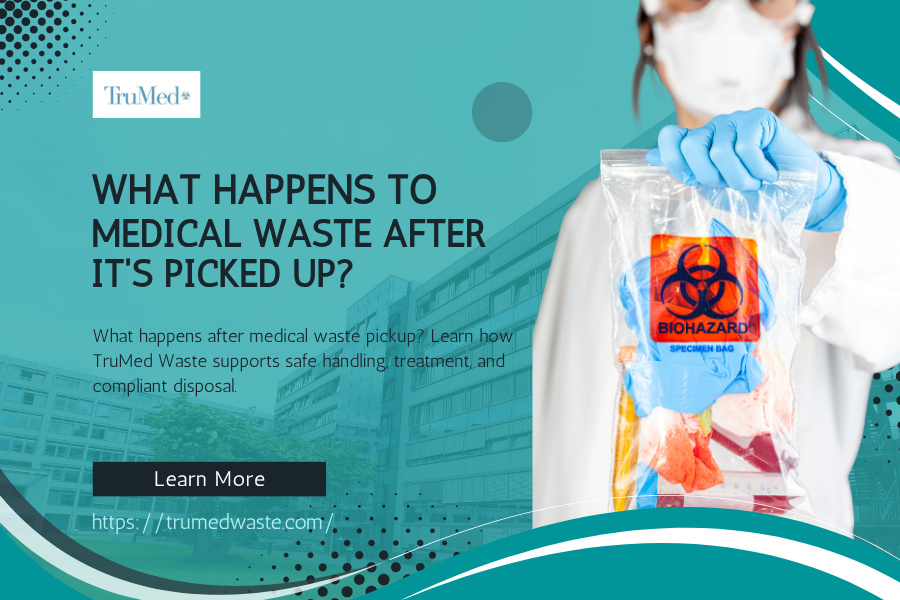
These materials require proper infectious waste disposal using approved red biohazard bags placed inside rigid collection containers.
Pharmaceutical Waste
Expired medications, partially used drugs, and certain controlled substances require separate collection containers.
These materials should never be mixed with infectious waste unless regulations specifically allow it.
Pathological Waste
This includes human tissues, organs, body parts, and surgical specimens.
Special containers with secure lids are required before transportation for regulated medical waste disposal.
Chemotherapy Waste
Chemotherapy drugs require dedicated containers that meet hazardous waste regulations.
Using standard medical waste bins for chemotherapy waste may violate disposal requirements.
What Type of Container Should You Use?

Sharps Containers
Sharps containers are one of the most important safety tools in any healthcare setting.
They should always be:
- Puncture-resistant
- Leak-resistant
- Clearly labeled
- Closable
- Located close to the point of use
Never overfill a sharps container. Most manufacturers recommend replacing it once it reaches about three-quarters full.
Facilities using a professional sharps disposal service receive replacement containers as part of scheduled collection programs.
Red Biohazard Bags
Red biohazard bags are used for soft infectious waste that cannot puncture the bag.
Typical items include the following:
- Blood-soaked bandages
- PPE
- Disposable gowns
- Medical tubing
- Culture materials
These bags should always be placed inside rigid collection bins rather than left standing alone.
Not sure what belongs in a red bag? Our guide Understanding Red Bag Waste: Rules, Penalties & Best Practices explains proper segregation and common mistakes to avoid.
Rigid Medical Waste Containers
Rigid containers provide additional protection during storage and transportation.
These containers are commonly used for:
- Regulated waste
- Infectious materials
- Surgical waste
- Laboratory waste
They feature locking lids that help reduce spills during handling.
Pharmaceutical Waste Containers
Medication waste requires dedicated containers that prevent diversion and accidental exposure.
Healthcare facilities should never dispose of medications in regular trash or sinks.
Professional medical waste pickup services ensure pharmaceutical waste is collected and transported according to applicable regulations.
Learn how to separate and dispose of expired medications by reading How to Handle Pharmaceutical Waste Safely and Legally.
How OSHA Requirements Affect Container Selection
Container selection is closely tied to workplace safety standards.
Healthcare employers must provide safe disposal systems that reduce employee exposure to bloodborne pathogens.
Good OSHA compliance solutions include the following:
- Proper container placement
- Employee training
- Clearly labeled waste containers
- Regular waste collection
- Safe handling procedures
- Written exposure control plans
Choosing compliant containers protects both employees and patients while reducing inspection risks.
Preparing for an inspection? See Prevent Fines: Hospital Medical Waste Compliance Tips for practical steps to improve compliance and reduce regulatory risks.
Medical Waste Containers for Different Healthcare Facilities
Every healthcare facility generates waste differently.
Hospitals
Large healthcare systems often require multiple waste streams operating simultaneously.
Proper medical waste disposal for hospitals usually includes the following:
- Sharps containers
- Pharmaceutical waste containers
- Pathological waste containers
- Chemotherapy containers
- Biohazard bins
Because hospitals generate high waste volumes, scheduled pickups are essential.
Dental Offices
Dental clinics commonly generate:
- Needles
- Carpules
- Blood-contaminated gauze
- Small sharps
Compact sharps containers and biohazard bins are often sufficient for routine operations.
Veterinary Clinics
Veterinary facilities may require containers for:
- Animal tissues
- Sharps
- Laboratory waste
- Pharmaceutical waste
Waste segregation remains just as important as in human healthcare.
Surgery Centers
Outpatient surgery centers generate significant volumes of infectious waste.
Using properly sized rigid containers helps maintain efficient collection while reducing exposure risks.
Laboratories
Labs often produce cultures, contaminated materials, and sharps.
Separate collection systems help avoid mixing incompatible waste streams.
What Happens If You Use the Wrong Container?
Improper container selection creates unnecessary risks.
Potential consequences include:
- Employee injuries
- OSHA citations
- State regulatory penalties
- Higher disposal costs
- Delayed waste collection
- Environmental contamination
Healthcare facilities should regularly review waste segregation procedures to prevent these issues.
How Often Should Medical Waste Containers Be Replaced?
Replacement schedules depend on:
- Waste volume
- Facility size
- State regulations
- Container capacity
- Pickup frequency
Most facilities benefit from scheduled medical waste pickup services, ensuring containers never become overloaded.
Facilities with higher patient volumes often require weekly pickups, while smaller practices may schedule service every few weeks.
Can One Container Be Used for Everything?
No.
Mixing waste types increases disposal costs and may violate regulations.
For example:
- Sharps should never go into red bags.
- Pharmaceuticals should not be mixed with infectious waste.
- Regular office trash should never enter medical waste containers.
- Hazardous chemicals require separate handling.
Proper segregation keeps disposal safer and more cost-effective.
Should You Buy Containers or Use a Service Provider?
Many healthcare facilities choose service providers instead of purchasing containers independently.
This approach offers several benefits:
- Containers meet regulatory requirements.
- Replacements are provided when needed.
- Scheduled pickups simplify operations.
- Documentation supports compliance.
- Staff receive guidance on proper waste segregation.
Working with an experienced provider reduces the guesswork involved in managing medical waste.
How a Free Medical Waste Audit Can Help
Many healthcare facilities are unsure whether they’re using the right containers or disposing of waste correctly.
A free medical waste audit can identify:
- Incorrect waste segregation
- Oversized or undersized containers
- Opportunities to reduce disposal costs
- Compliance gaps
- Pickup schedule improvements
An audit also helps determine whether your current waste management program matches your facility’s actual needs.
Need help choosing the right medical waste containers? Request a Free Medical Waste Audit from TruMed Waste to identify safer, more efficient solutions for your facility.
Why Work with TruMed Waste?
Medical waste regulations continue to evolve, and healthcare facilities need practical solutions that fit their daily operations.
TruMed Waste helps healthcare organizations by providing dependable medical waste management services supported by compliant collection programs, safe container options, and knowledgeable guidance.
Whether your facility needs needle waste disposal, Sharps Mail Back programs for remote locations, routine medical waste pick-up services, or complete regulated medical waste disposal, having the right partner makes waste management easier and safer.
Need a better way to manage medical waste? Contact TruMed Waste to discuss your facility’s needs and request a customized waste management plan that keeps your team compliant and protected.
Frequently Asked Questions
What type of container is used for sharps?
Sharps must be placed in a puncture-resistant, leak-resistant, labeled sharps container approved for medical use.
Can infectious waste go into regular trash?
No. Infectious waste must be separated into approved biohazard containers and handled through regulated disposal processes.
How full should a sharps container be before replacement?
Most safety guidelines recommend replacing sharps containers when they are approximately three-quarters full.
Do hospitals use different medical waste containers?
Yes. Hospitals often require multiple container types for sharps, pharmaceutical waste, pathological waste, infectious waste, and chemotherapy materials.
Can a medical waste company provide containers?
Yes. Many providers, including TruMed Waste, supply approved containers as part of their waste collection programs.
Final Thoughts
The right medical waste container depends on the type of waste your facility generates. Proper segregation protects healthcare workers, supports compliance, and reduces unnecessary disposal costs. Instead of relying on a one-size-fits-all approach, use approved containers designed for each waste stream and review your disposal process regularly.
If you’re unsure whether your current setup meets today’s safety and regulatory expectations, TruMed Waste can help evaluate your existing program and recommend practical improvements. Choosing the right containers today helps create a safer workplace tomorrow.