Dialysis care saves lives, but it also creates a complex waste stream that must be handled correctly to protect patients, staff, and the environment. Dialysis waste disposal involves managing contaminated sharps, tubing, filters, chemicals, and blood-exposed materials while staying compliant with strict regulations. When disposal isn’t done right, the risks range from regulatory penalties to serious health hazards. This guide breaks down the biggest challenges providers face and explains practical ways to manage them safely and efficiently.
Why Dialysis Waste Requires Special Handling
Dialysis waste isn’t the same as everyday medical trash. Much of it contains bloodborne pathogens, chemical residues, and sharp objects that can cause injury or infection if mishandled. Facilities, clinics, and home-based care providers must follow federal, state, and local rules to avoid exposure risks and environmental harm.
This is where professional medical waste management services become essential. They bring structure, compliance, and peace of mind to an otherwise high-risk process.

Challenge 1: Managing Biohazardous Materials Safely
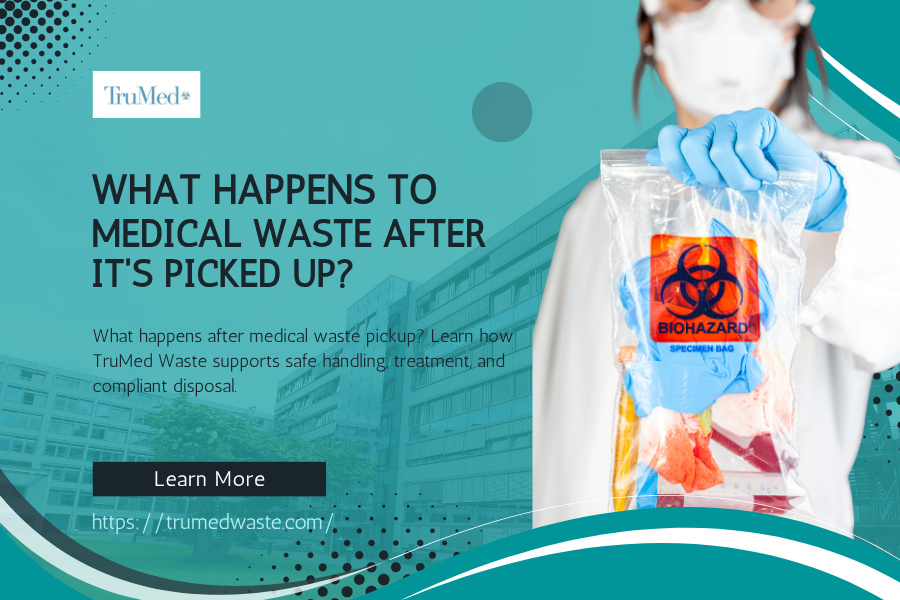
One of the most common challenges in dialysis waste disposal is handling biohazardous materials correctly. Items like dialyzers, bloodlines, needles, and contaminated PPE all fall under regulated medical waste.
Without proper segregation and containment, these materials can expose staff to needle-stick injuries and infectious diseases. Facilities often struggle when waste is mixed incorrectly or stored in unsuitable containers.
How to overcome it:
Clear waste segregation protocols, colour-coded containers, and staff training are critical. Partnering with a provider experienced in biohazardous medical waste disposal ensures waste is collected, transported, and treated according to current safety standards.
Sharps handling is one of the most regulated areas in dialysis care. For a deeper breakdown of container standards and handling rules, read more: Sharps Disposal Guidelines Every Clinic Must Follow.
Challenge 2: Staying Compliant with Changing Regulations
Regulations around medical waste vary by state and are updated regularly. What’s acceptable in one region may not meet compliance standards in another. Clinics operating across multiple locations face even more complexity.
From Medical Waste Disposal in Oakland, CA, to New York Medical Waste Disposal, local health departments enforce different documentation, labelling, and disposal rules.
How to overcome it:
Work with a disposal partner that understands regional requirements and monitors regulatory changes. This reduces compliance gaps and helps facilities stay inspection-ready year-round.
Red bag misuse is a common reason clinics fail inspections. For a clear explanation of rules and penalties, read more: Understanding Red Bag Waste: Rules, Penalties & Best Practices.
Challenge 3: Limited Storage Space in Dialysis Clinics
Dialysis centres generate waste daily, yet many facilities have limited space for secure storage. Overfilled containers or improper storage increase contamination risks and create an unprofessional care environment.
This challenge is common in urban areas such as San Francisco medical waste disposal zones or high-density regions like medical waste disposal Cincinnati service areas.
How to overcome it:
Scheduled pickups, right-sized containers, and efficient storage planning reduce clutter and safety risks. A reliable waste partner helps align pickup frequency with patient volume.
Challenge 4: Supporting Home Dialysis and Mobile Care
Home dialysis programs are growing rapidly, but home health organisations‘ waste disposal often lacks the infrastructure of traditional clinics. Patients and caregivers may not fully understand how to store or return contaminated materials.
Improper disposal of household trash can lead to injuries and environmental exposure.
How to overcome it:
Education and structured pickup programmes make a big difference. Clear instructions, approved containers, and scheduled collections ensure safe dialysis waste disposal outside clinical settings.
Medication waste adds another layer of risk, especially in home care environments. Learn more in How to Handle Pharmaceutical Waste Safely and Legally.
Challenge 5: Transportation and Chain-of-Custody Risks
Once waste leaves a facility, accountability still matters. Lost documentation, delayed transport, or improper handling during transit can result in compliance violations.
Facilities across service regions like Detroit Medical Waste Disposal, Metro Detroit Medical Waste, and Medical Waste Disposal Milwaukee often cite transportation reliability as a top concern.
How to overcome it:
Certified transport, digital tracking, and documented chain-of-custody processes protect both providers and patients. Working with licensed professionals reduces liability at every stage.
Challenge 6: Environmental Responsibility and Sustainability
Healthcare providers are under increasing pressure to reduce environmental impact. Dialysis waste, if not treated properly, can contaminate soil and water sources.
Many facilities want safer disposal methods without compromising compliance or care quality.
How to overcome it:
Modern treatment technologies, waste minimisation strategies, and environmentally responsible processing help align safety with sustainability. Expert medical waste management services can guide facilities toward greener practices where possible.
Challenge 7: Cost Control Without Cutting Corners
Balancing safety with budget constraints is a real challenge. Improper disposal may seem cheaper upfront but often leads to fines, legal exposure, and reputational damage.
Facilities across regions, such as the San Francisco and New York medical waste disposal markets, know that compliance failures are costly.
How to overcome it:
Predictable pricing, transparent service plans, and efficient waste audits help control costs while maintaining compliance. The right provider focuses on prevention, not penalties.
Key Best Practices for Safer Dialysis Waste Handling

A strong disposal process relies on consistency, training, and accountability. The most effective programs usually include:
-
Clear waste segregation at the point of use
-
Approved containers for sharps and contaminated materials
-
Regular staff training and refreshers
-
Scheduled pickups aligned with patient volume
-
Documented tracking from pickup to final treatment
This single, focused approach helps streamline dialysis waste disposal while reducing risk across operations.
How Trumed Waste Supports Dialysis Providers
Trumed Waste works with dialysis clinics, hospitals, and home care programs to simplify complex disposal needs. With experience across multiple service regions, including Detroit Medical Waste Disposal, Medical Waste Disposal Oakland CA, and Medical Waste Disposal Milwaukee, the team understands local compliance demands and operational realities.
By combining reliable service, regulatory knowledge, and clear communication, Trumed Waste helps providers stay focused on patient care while waste is handled responsibly in the background.
Choosing the right partner matters just as much as following the rules. If you’re evaluating providers, read How to Find Reliable Biohazard Medical Waste Disposal Services Near You.
Final Thoughts
Effective dialysis waste disposal is about more than removing trash. It protects patients, safeguards staff, and ensures compliance in a tightly regulated healthcare environment. From biohazard handling to home-based care and regional compliance, each challenge has a practical solution when the right systems are in place.
For dialysis providers who want fewer risks, smoother operations, and dependable support, partnering with an experienced medical waste team can make all the difference. If you’re ready to simplify your dialysis waste disposal process, connect with a trusted medical waste provider and schedule a consultation today to review your current setup and identify safer, more efficient solutions—without disrupting patient care.