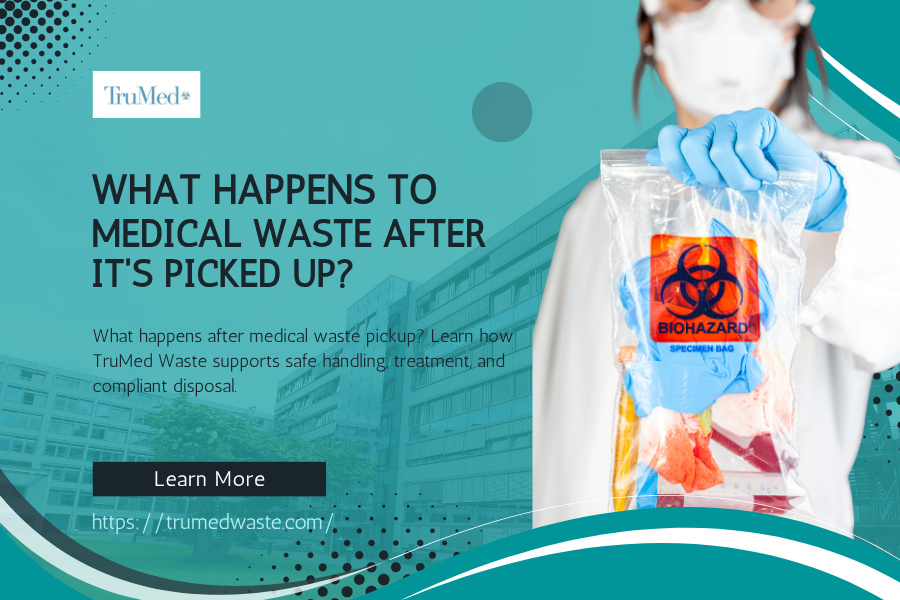
Medical waste does not simply disappear after a collection truck leaves a hospital, dental clinic, or healthcare facility. It is transported to an appropriate treatment or processing facility, where it is handled according to its waste category and applicable regulations. Depending on the material, treatment may involve autoclaving, incineration, or another approved process before the waste is sent for final disposal.
Understanding what happens after collection helps healthcare providers protect staff, patients, waste handlers, and the environment. Working with a reliable medical waste disposal company also helps facilities maintain proper waste handling procedures, documentation, and collection schedules.
1. Medical Waste Is Collected and Transported Safely
The process starts at the healthcare facility. Staff separate waste into the correct containers, seal them when required, and prepare them for collection. Trained collection personnel then handle the packaged waste according to applicable safety and transportation requirements.
Medical Waste Pick Up Services can support hospitals, dental practices, laboratories, urgent care centers, and other organizations that generate regulated waste. Proper handling during transportation reduces the risk of leaks, spills, accidental exposure, and cross-contamination.
The waste is taken to an appropriate treatment facility rather than being placed directly into ordinary trash. The exact process depends on the waste type, its packaging, and the treatment facility’s approved procedures.
Need reliable medical waste collection for your facility? Get a free quote from TruMed Waste and find the right pickup plan for your needs.
2. Medical Waste Is Sorted by Category
Not all medical waste receives the same treatment. Before processing, waste must be identified and handled according to its classification. Correct segregation at the point of generation helps protect workers and ensures that the material receives appropriate treatment.
Common categories include:
- Biohazardous waste: Materials contaminated with blood or other potentially infectious substances.
- Sharps: Needles, lancets, scalpels, and other items capable of puncturing or cutting skin.
- Pathological waste: Certain human tissues, organs, and other anatomical materials that require specialized handling.
- Pharmaceutical waste: Unused, expired, or discarded medications that require an appropriate disposal route.
- Trace chemotherapy waste: Items contaminated with small amounts of chemotherapy drugs, handled according to their specific classification.
- Dental waste: Depending on its contents, dental waste may include sharps, blood-contaminated materials, pharmaceuticals, and other regulated items.
A qualified medical waste disposal company can help healthcare organizations establish appropriate collection procedures and identify the correct service for different waste streams.
3. How Is Biohazardous Medical Waste Treated?
Biohazardous medical waste disposal focuses on reducing or eliminating infectious risks before final disposal. The treatment method depends on the waste type, local requirements, and the facility’s approved processes.
One common method is autoclaving. This process uses pressurized steam at controlled temperatures and exposure times to inactivate microorganisms. After successful treatment, certain waste materials may be processed further and sent to an authorized disposal facility.
Other waste streams may require incineration or a different approved treatment method. Incineration uses high temperatures to destroy suitable waste materials and significantly reduce their volume. It is often used for waste that is unsuitable for steam treatment, subject to applicable rules and facility procedures.
Treatment does not mean every item can automatically be placed in a landfill. Waste must meet the relevant treatment, handling, and disposal requirements before it moves to the next stage.
For more guidance on safe handling and disposal procedures, read our guide on how to dispose of biohazardous waste.
4. What Happens to Used Needles and Sharps?
Used needles and other sharps can injure healthcare workers, cleaners, transport personnel, and members of the public. They must be placed in suitable sharps containers rather than loose bags or ordinary trash.
A Sharps Disposal Service typically involves collecting properly secured containers and routing their contents through an approved treatment and disposal process. Depending on the facility and service arrangement, treatment may involve autoclaving, incineration, or another authorized method.
How to Dispose of a Full Sharps Container
If you are wondering how to dispose of full sharps container waste, keep the container closed and follow its fill-line instructions. Do not reopen it, push contents down, or transfer needles into another container.
Healthcare facilities should follow their regulated medical waste pickup procedures. For eligible households or small practices, a Sharps Mail Back program may be an option where permitted and available. Always check the program’s packaging instructions and local requirements before shipping sharps.
If your facility regularly fills multiple containers, ask TruMed Waste about a collection plan that suits your sharps volume and storage capacity.
Not sure when to arrange your next collection? Learn how often sharps containers should be collected to support safe handling at your facility.
5. How Are Pathological and Pharmaceutical Waste Handled?
Some medical waste needs a different disposal route because of its physical or chemical properties.
Pathological Waste Disposal
Pathological waste disposal may involve tissues, organs, or other anatomical materials. Depending on the material and applicable regulations, approved treatment may include incineration or another authorized process. Facilities should segregate this waste correctly and follow the handling, packaging, and storage requirements that apply to their location.
Pharmaceutical Waste Management
Pharmaceutical waste management addresses discarded medications that cannot be placed in ordinary waste streams. The correct disposal method depends on the medication’s ingredients, whether it is hazardous, and the applicable state and federal requirements.
Some pharmaceutical waste requires specialized hazardous waste handling. Other medications may qualify for different approved disposal routes. Healthcare facilities should never assume that all expired or unused medications can be flushed, poured down a drain, or placed in regular trash.
Because different medications may require different disposal methods, review our guide on how to handle pharmaceutical waste safely and legally.
Trace Chemotherapy Waste Disposal
Trace chemotherapy waste disposal applies to items containing residual amounts of certain chemotherapy drugs. These materials must be classified correctly because the handling requirements can differ from those for bulk chemotherapy waste. Facilities should follow applicable hazardous waste rules and the treatment provider’s acceptance criteria.
Have questions about pharmaceutical, pathological, or chemotherapy waste disposal? Get a free quote from TruMed Waste and find the right waste management solution for your facility.
6. What Happens After Treatment?
Once treatment is complete, the waste follows a final disposal route permitted for that material. Depending on the waste stream and local requirements, this may include disposal at an authorized landfill or another approved facility. Some treated materials may undergo additional processing before final disposal.
The goal is to ensure that the waste has been managed through the required steps, from collection and transportation to treatment and final handling.
Healthcare providers should also keep the records required for their operations and jurisdiction. Depending on the service and waste category, documentation may include collection records, manifests, or treatment-related records. These documents can help facilities demonstrate that waste was transferred and managed through the appropriate channels.
A dependable medical waste disposal company should clearly explain its collection procedures, accepted waste categories, documentation practices, and any preparation required before pickup.
7. What Do Hospitals Do With Biohazard Waste?
Hospitals generally separate regulated waste from ordinary waste at the point of generation. Staff place infectious materials, sharps, pharmaceutical waste, and other special waste streams into the appropriate containers. The waste is then collected and sent through the required treatment and disposal process.
The same basic principles apply to smaller healthcare settings, although the types and quantities of waste can vary.
For example, a dental practice may need dental waste disposal for sharps and blood-contaminated materials, while a laboratory may generate infectious specimens or chemical waste requiring different handling. A clinic arranging medical waste disposal in Los Angeles or another service area should confirm which waste categories its provider accepts and what local requirements apply.
Proper segregation matters because mixing incompatible materials can create safety hazards, complicate treatment, and increase disposal costs.
8. How Can Healthcare Facilities Make Medical Waste Pickup Easier?
Facilities can improve their waste management process by reviewing how much waste they generate, how often containers fill, and whether staff follow the correct segregation procedures.
Helpful steps include training employees on waste categories, keeping sharps containers within their fill limits, securing waste storage areas, scheduling collections before storage capacity becomes a problem, and maintaining required documentation.
When evaluating providers, ask about accepted waste types, pickup frequency, container options, emergency procedures, and the records provided after collection. A reliable medical waste disposal company should make these responsibilities easier to manage without promising that every waste type follows the same treatment route.
For organizations searching for medical waste pick up services near me, medical sharps disposal near me, or medical needle disposal near me, the right choice is a provider that understands the facility’s waste streams and applicable local requirements.
If your facility needs a more organized collection process, follow our guide on how to schedule a biohazard waste pickup for your clinic.
9. Why Choose TruMed Waste?
TruMed Waste supports healthcare organizations and other waste-generating businesses with medical waste management services designed around their operational needs. From regulated medical waste pickup to sharps and specialized waste services, the right collection plan can help your team manage waste more consistently.
Before arranging service, identify the types of waste your facility produces, estimate your typical collection volume, and confirm any special handling requirements. These details help you discuss suitable containers, pickup frequency, and service options.
The objective is straightforward: keep waste properly contained, reduce avoidable handling risks, and ensure that each waste stream follows an appropriate disposal process.
Ready to review your facility’s medical waste program? Book Now with TruMed Waste to discuss your service needs and arrange reliable medical waste disposal.
Frequently Asked Questions
Does all medical waste get incinerated?
No. Depending on its classification and applicable regulations, medical waste may be treated using autoclaving, incineration, or another approved process. The appropriate method depends on the waste material and treatment requirements.
Can treated medical waste go into regular trash?
Not automatically. Whether treated waste can enter a particular disposal stream depends on the treatment method, applicable regulations, and facility requirements. Treatment and final disposal are separate steps.
How often should medical waste be picked up?
Pickup frequency depends on the amount and type of waste generated, storage capacity, applicable requirements, and the facility’s operating needs. A regular schedule can help prevent containers from reaching capacity before collection.
Can small clinics use medical waste pickup services?
Yes. Many medical waste service providers work with smaller healthcare facilities, including dental offices, clinics, and other practices. Available services and minimum pickup requirements vary by provider and location.
How can a facility choose the right disposal provider?
Review the provider’s service coverage, accepted waste categories, collection procedures, documentation practices, and ability to meet your scheduling needs. Confirm that the provider can handle each waste stream under the applicable requirements.
Final Thoughts
Medical waste management continues after the collection truck leaves. Waste must be transported safely, classified correctly, treated using an appropriate method, and sent through a permitted final disposal route. Sharps, pharmaceuticals, pathological materials, and chemotherapy-related waste may each require different procedures.
Working with a dependable provider helps healthcare facilities organize these steps and maintain a safer, more consistent waste management program. If your organization needs help reviewing its current process, TruMed Waste can help you discuss available services and plan the next steps.